
The Expert Advice vs. Real Life
Ask anyone who’s never had a toddler, and they’ll confidently say:
“Kids should have no screen.”
Sounds reasonable, right?
But let’s be honest — that advice was definitely written by someone who’s never tried to eat a hot meal with a clingy, overstimulated toddler.
In theory? Great.
In real life? It’s survival mode.
Why Parents Turn to Screens (And Why That’s Okay)
Before I became a parent, I’d see moms hand their toddler a tablet in restaurants or on planes and think:
“Wow. Parents give in so easily these days.”
“Kids aren’t even kids anymore.”
Now? I get it.
That screen isn’t spoiling the child — it’s saving the parent.
You’re not enjoying a peaceful dinner. You’re just trying to eat.
You’re not relaxing on the flight. You’re just trying to stop your toddler from kicking the seat.
This isn’t lazy parenting — it’s smart survival.
My Zero-Screen-Time Plan (And How It Fell Apart)
So I tried to do it “right”… and went all in.
When my son was born, I made a promise:
“No screens. Not even cartoons.”
And believe it or not, I stuck with it for two full years.
I became a human Cocomelon — narrating, singing, dancing through toothbrushing, meals, and bedtime.
Was it exhausting? Yes.
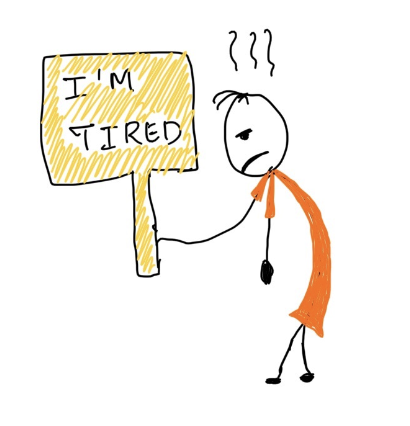
Worth it? For a while.
Sustainable? Not even close.
The Breaking Point: When I Reached My Limit
Eventually, I cracked.
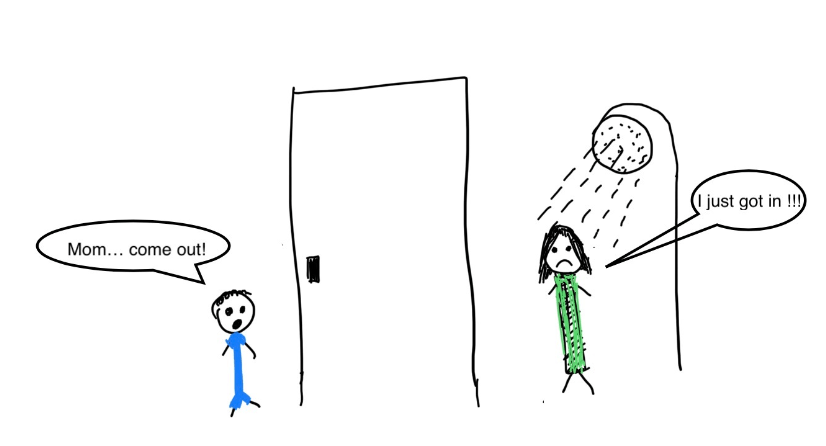
I didn’t want a vacation — I just wanted to:
- Take a shower without interruption
- Pee without an audience
- Brush my hair in silence
- Wear something that wasn’t pajamas
Then I started noticing something:
Other parents weren’t “giving in.” They were being intentional.
Some reserved screen time for meals.
Others used it as a reset button or a reward.
And I thought, “Wait — that actually makes sense.”
Our New Approach: Accountable Screen Time
We tossed the “no screens ever” rule and introduced something better:
Accountable Screen Time.
Here’s how it works in our house:
- No fixed screen time quotas
- No daily expectation of screen time
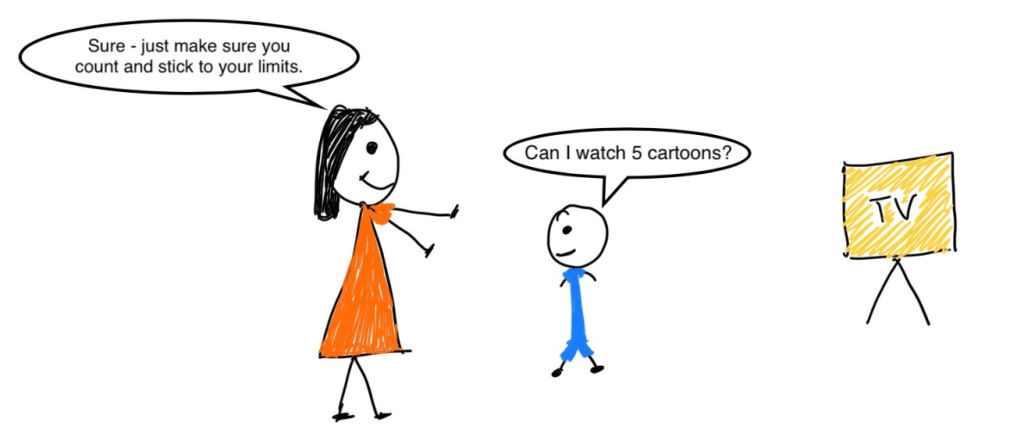
- He asks first — we talk about it
- He chooses what and how long — and sticks to it
The result?
Some days he watches 15–20 minutes.
Other times, he’ll go a full week without asking.
No battles. No begging. No bribes.
Just choice, boundaries, and balance.
Why We Chose Accountable Screen Time
We didn’t want screen time to be the villain — or the prize.
We wanted it to be just one part of life, managed through:
- Conversation – Asking for what you want
- Trust – Making thoughtful choices
- Accountability – Following through on decisions
Now, our child doesn’t see screen time as something he “deserves” or has to earn. He asks. We talk. He decides how long.
And surprisingly? He sticks to it.
It’s not about total freedom.
It’s not about rigid control.
It’s about mutual respect — and raising a kid who learns to regulate himself in a world full of distractions.
Final Thought: Screen Time Is a Parenting Tool, Not a Failure
Every child is different. What works for one family might flop for another.
But if you’re tired of timers, tantrums, or transactional screen time, Accountable Screen Time might be worth a try.
Not perfect. But more peaceful.
So the next time you see a toddler with a screen?
Pause the judgment.
You don’t know what that parent is holding together that day.
Lead with empathy.
Parent with intention.
Because screens aren’t ruining kids — sometimes, they’re preserving sanity.
Fun FAQ: Screen Time Tips for Parents
Q: How much screen time should toddlers have?
The AAP recommends no more than 1 hour a day of high-quality programming for kids ages 2–5.
So… just enough for one Cocomelon sing-along before your toddler begs for “just one more” — for the hundredth time.
Q: Is screen time always bad for kids?
Nope. It’s more about what they’re watching, how they’re watching, and whether they occasionally remember the sun exists.
Q: What’s a good way to manage toddler screen time?
Treat it like cake: good in moderation, but not for breakfast every day.
Let them help pick the shows. Set clear rules. Mix in screen-free fun like pillow forts or pretending the floor is lava.
Q: How can I reduce screen time without meltdowns?
Ah, the holy grail.
Try visual timers, offer two non-screen choices, and distract them with snacks, water play, or literally anything that makes a mess.
Screen Time Approaches Compared
| Approach | How It Works | Pros | Cons |
|---|---|---|---|
| Quota System (“30 minutes a day”) | Parents set strict daily limits. | ✓ Clear rules ✓ Easy to track ✓ Helps reduce overuse | Ⅹ Kids fixate on “time left” Ⅹ Power struggles Ⅹ Can feel punitive |
| No Screens on Weekdays | Screens are off-limits Mon–Fri. | ✓ Less daily screen time ✓ Simple boundaries | Ⅹ Weekend binges Ⅹ No self-regulation Ⅹ Feels restrictive |
| Token/Reward System (“Earn screen time”) | Kids earn screens by doing chores or tasks. | ✓ Motivating ✓ Teaches effort-reward | Ⅹ Feels transactional Ⅹ Overemphasizes screens Ⅹ Hard to maintain |
| Unlimited Screen Time | No restrictions at all. | ✓ No battles ✓ Promotes independence | Ⅹ Risk of overuse Ⅹ No boundaries Ⅹ Poor self-regulation |
| Accountable Screen Time (Our Method) | No quotas. Child asks, chooses content and time. Decisions made together. | ✓ Builds trust ✓ Teaches balance ✓ Fewer battles ✓ Encourages autonomy | Ⅹ Requires consistency Ⅹ Needs maturity Ⅹ Not one-size-fits-all |
What’s Your Screen Time Philosophy?
Have you tried Accountable Screen Time or something that works for your family?
Drop a comment — I’d love to hear your approach.
Let’s keep the conversation judgment-free, real, and helpful.
 fullymommed